The working materials,not the brochure.
What we are writing, the sessions we run, and the tools you can take into your own organization and use without us in the room.
What we are writing

The second question is where claims die
Most vendor claims survive the first question. What we ask next, why it is boring, and what happens to the confirmation rate when you ask it.

A pilot is not evidence, it is an intention
Why the pilot-to-production gap is the most useful number in enterprise AI, and why almost nobody publishes it.

The agent that works is the one nobody demoed
Across the insurance deployments we have watched closely this year, the capabilities still running after twelve months are almost never the ones that were presented to the board.
Sessions you can sit in on
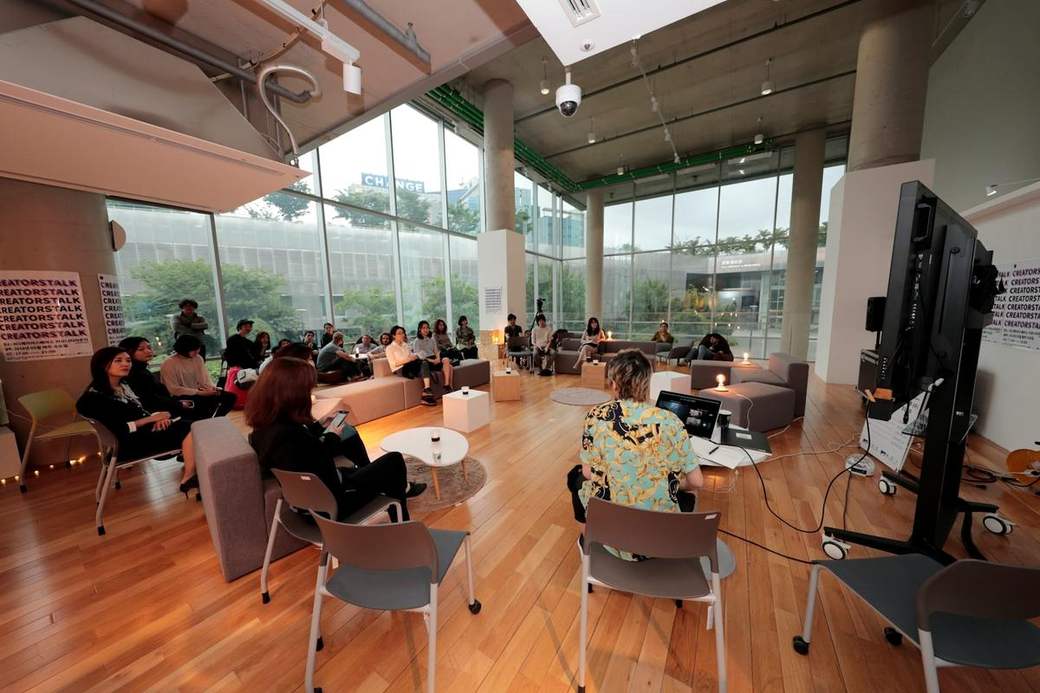
How a claim is examined, live
We take four real vendor claims, name them on the call, and run each one through all five evidence layers in front of you. Two of them will not survive it, which is the part worth watching.

The HR report, walked through
The five readiness gates, the Reality Curve and the Load Map, explained by the people who built them, with the questions from the room left in.
The instruments, as files
The AI board briefing deck
2 hours
The AI board briefing deck
Twelve slides that answer what the spend bought, built so the numbers come from your own register rather than from a market forecast.
The vendor claim checklist
20 minutes
The vendor claim checklist
The questions we put to a vendor, in the order we put them, so you can run the first two layers yourself before you ask anyone for a reference.
The AI use-case scorecard
45 minutes
The AI use-case scorecard
Twenty questions, scored out of one hundred, with compliance as a hard cap rather than an average. It is the diagnostic at the end of the HR report, published as a file so you can run it on your own use cases without us in the room.